

Call us now
08037734541
Call us now
08037734541

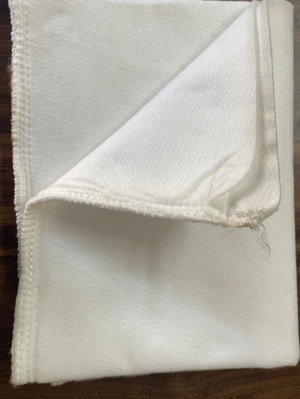
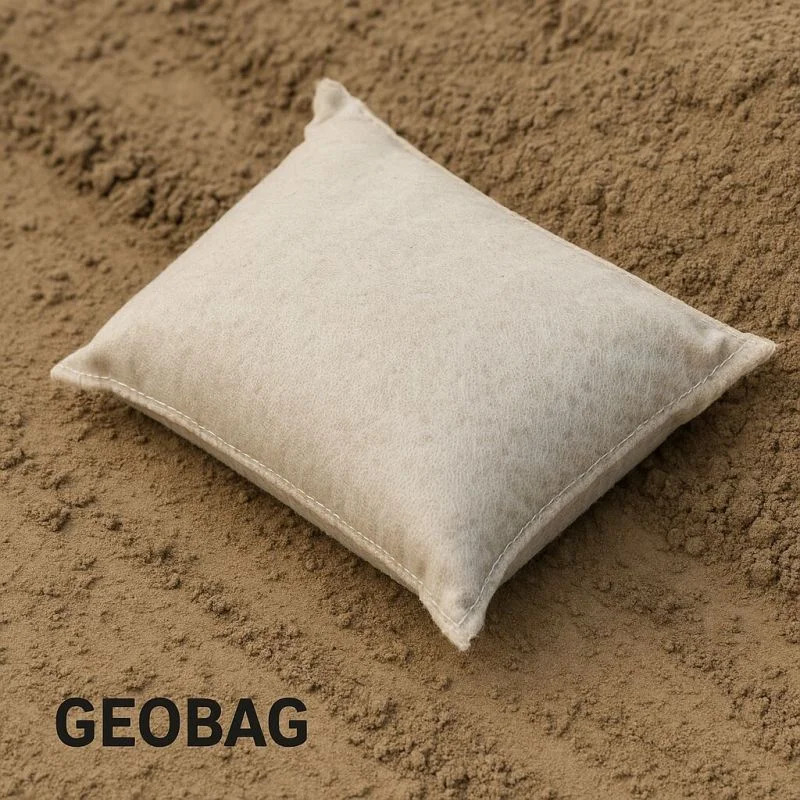
Non-woven geo bags are large bags made from polypropylene non-woven geotextile fabric, filled with sand or soil. They're used a lot in civil engineering and erosion control. What they're for: Riverbank & shoreline protection: Stop erosion from waves and currents. You'll see them stacked along the Ganga, Brahmaputra, etc. Flood control: Quick temporary embankments during floods. Slope stabilization: Prevent landslides on hill roads and embankments. Bridge abutment & pier protection: Stop scouring around foundations. Land reclamation: Used in coastal projects.
Why non-woven? High permeability: Water passes through, but soil/sand doesn't. Reduces water pressure buildup. Strong & durable: Good puncture and UV resistance compared to woven bags. Flexible: They adapt to the ground profile and settle without major failure.
Eco-friendlier installation: Vegetation can grow through them over time, helping natural stabilization. Common specs in India: Size: 1m x 0.7m, 1.03m x 0.7m, 2m x 1m are common. Custom too. Fabric: 200-400 GSM polypropylene non-woven Capacity: -50kg to 1 ton depending on size Color: Usually white or black Theyve replaced a lot of stone boulder pitching because they're cheaper to transport and install, especially in areas like Rajasthan where stone isnt nearby. You working on a specific project with these, Rahul? I can help with specs, rates, or installation details if you need.

Price:
Price 48 INR / Piece
Minimum Order Quantity : 2000 Pieces
Thickness : 100 GSM
Georgette Style : Other, Plain
Material : Other Material, Non Woven
Georgette Texture : Other, Smooth


 Send Inquiry


 Send Inquiry
 Send Inquiry


